The best chutneys often begin with what the season gives us. Discover why ripe produce, whole spices and small-batch cooking create fresher flavour and a more personal connection to the kitchen.
The Season Sets the Menu
Some of the most memorable kitchen traditions begin with a simple question: what is in season right now? Mangoes arrive with summer, certain greens appear after the rains, and winter brings its own fruits, roots and warming flavours.
Homemade chutney makes the most of these moments. Instead of forcing the same recipe all year, seasonal cooking allows each batch to reflect the ingredients at their natural best.
Ripe Ingredients Need Less Interference
When fruit, vegetables or herbs are naturally ripe, they already bring sweetness, acidity, aroma and texture. The role of spices is then to support those qualities rather than hide them.
- Ripe produce often needs less added sugar.
- Fresh herbs give brighter aroma.
- Seasonal ingredients can provide better texture.
- Natural flavour reduces the need for unnecessary additives.
Whole Spices Build Depth Slowly
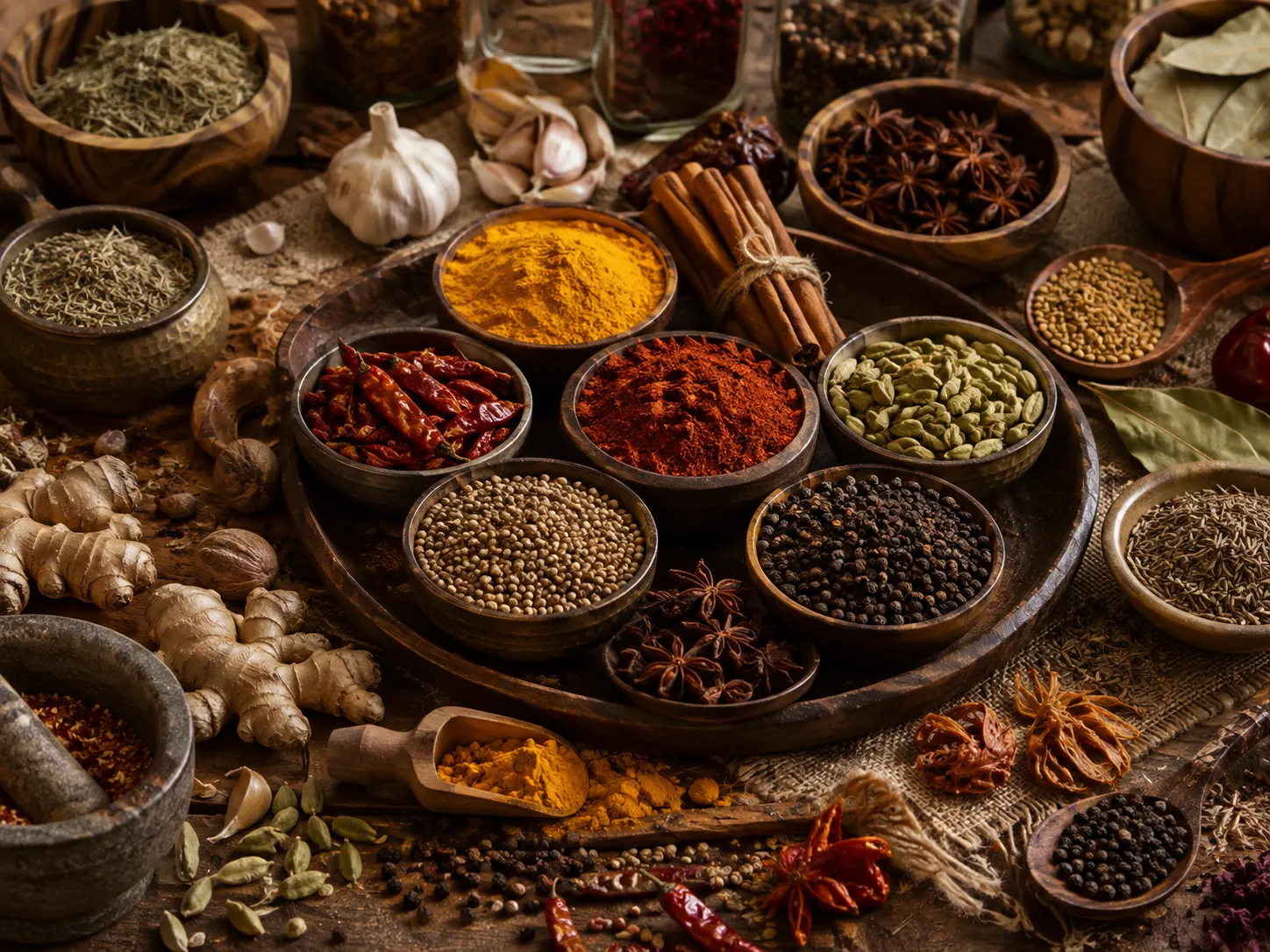
Mustard seeds, cumin, fennel, chilli, fenugreek and other spices each behave differently when toasted, ground or bloomed in oil. Their timing matters.
In a small kitchen batch, these details are easier to watch closely. The cook can adjust heat, acidity and spice as the chutney develops instead of treating flavour like a fixed formula.
Why Small Batches Feel Different
Small-batch cooking creates room for observation. The texture can be checked, spices can be corrected and the cooking time can be adjusted to the actual ripeness of the ingredients.
That flexibility is part of what makes homemade chutney feel personal. Two batches may never be absolutely identical—and that is often part of their charm.
A Jar Can Hold a Season
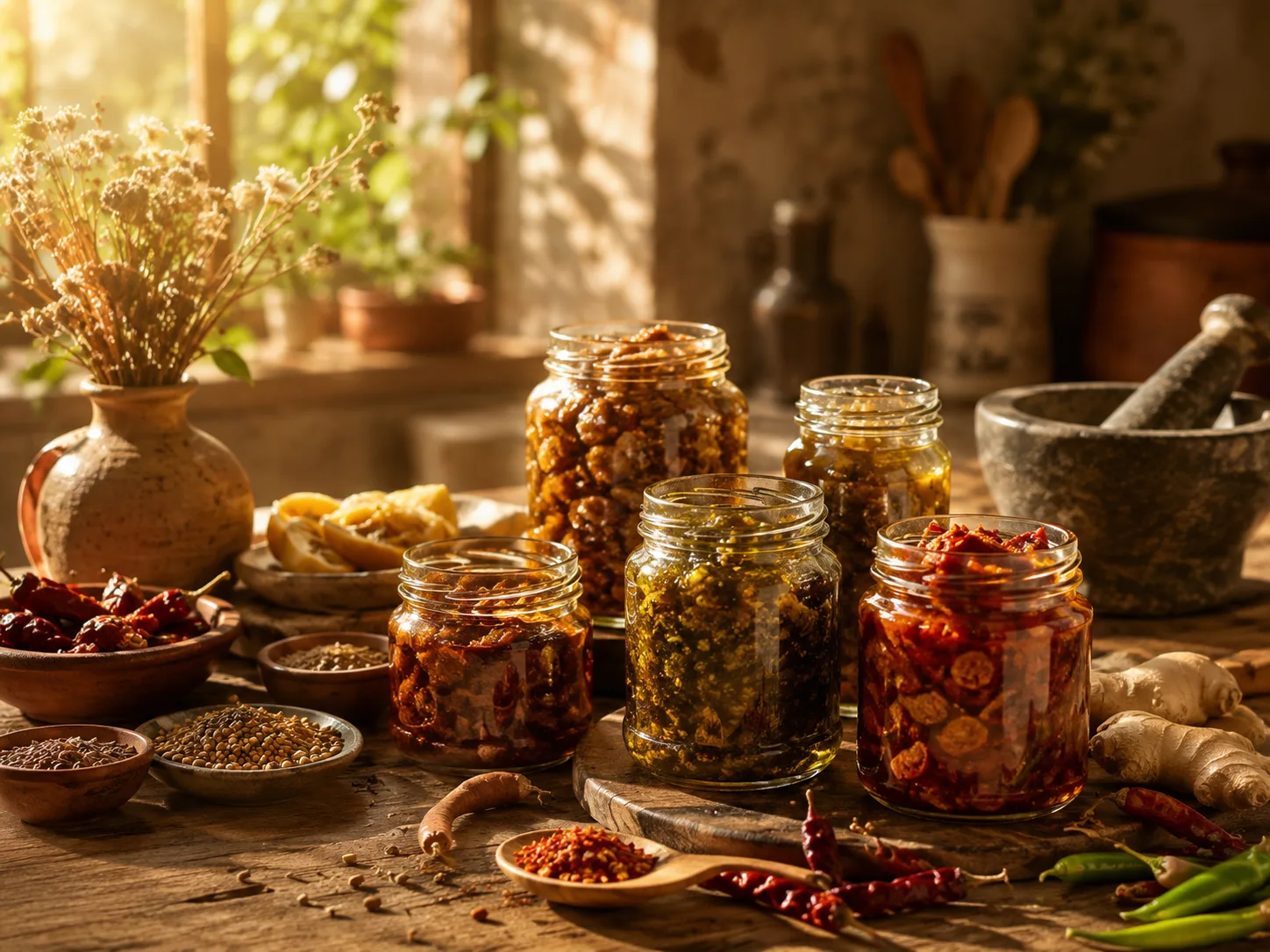
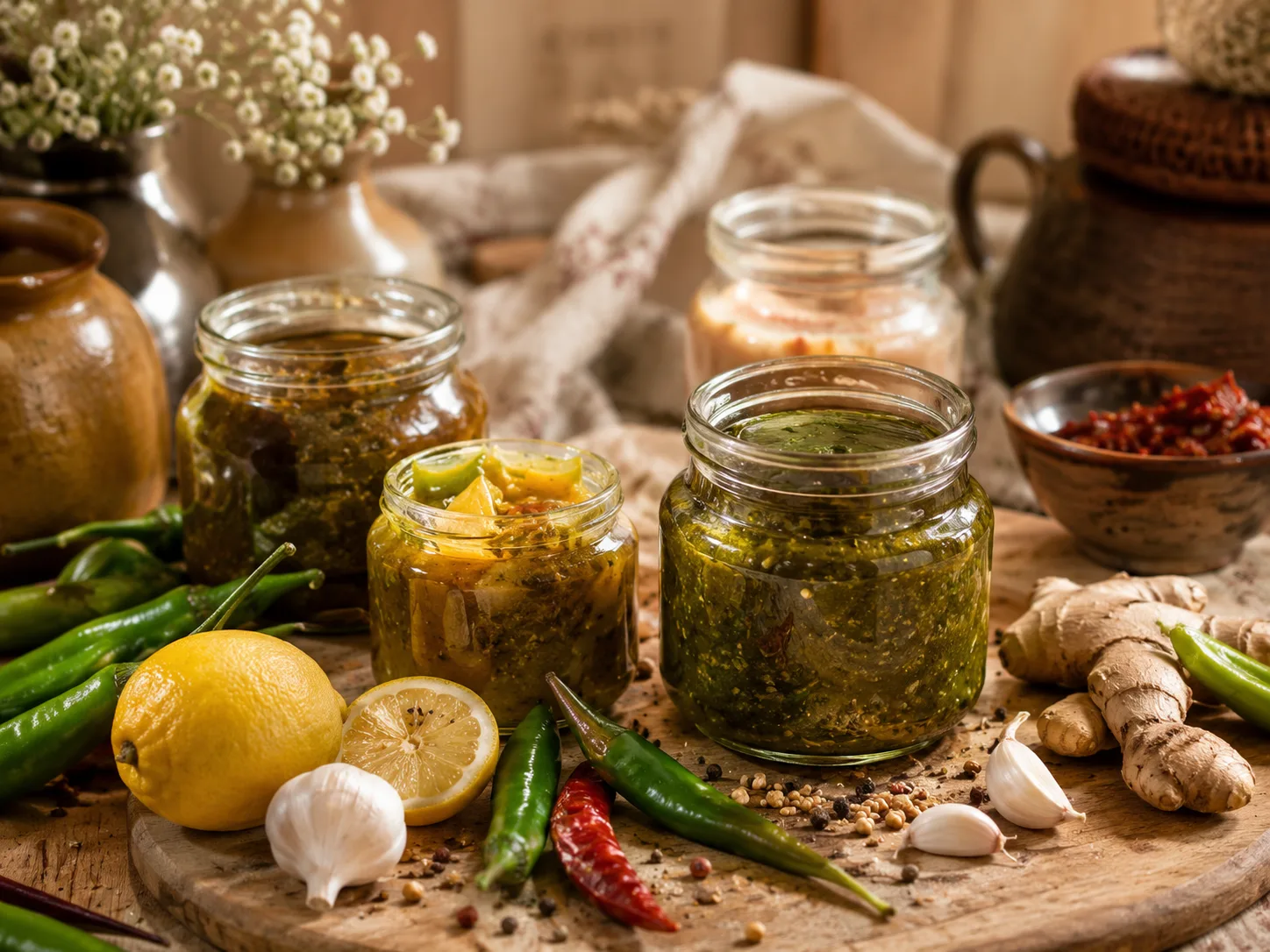
Chutneys have long helped families make seasonal abundance last beyond the moment of harvest. A jar opened weeks later can bring back the taste of mango season, fresh mint or a winter fruit that is no longer available.
At Stitches & Spices, this is what we love about seasonal kitchen traditions: they allow time, memory and flavour to meet in one simple jar.
Serve It Your Way
A good chutney can sit beside parathas, rice, snacks, sandwiches, cheese boards or simple home-cooked meals. Sweet versions can lift savoury dishes, while tangy or spicy varieties can brighten richer foods.
The best pairing is often the one your family enjoys most.
What does small-batch chutney mean?
It generally refers to chutney prepared in relatively small quantities, allowing closer control over texture, seasoning and cooking time.
Why use seasonal ingredients for chutney?
Seasonal produce is often at its best for flavour, aroma and texture, which can make the final chutney taste fresher and more balanced.
Do homemade chutneys always need preservatives?
Recipes and storage methods vary. Some chutneys rely on sugar, salt, acidity and cooking for preservation, but safe preparation and storage instructions should always be followed.
What can chutney be served with?
Depending on the flavour, chutney can complement Indian breads, rice dishes, snacks, sandwiches, grilled foods, cheese and many everyday meals.